Category: Science
Northern Alaska is now experiencing polar day. The sun won’t set now for over 80 days! click on the video link below to see a timelapse from Utqiagvik.
https://x.com/NWSFairbanks/status/2053568532126879951/video/1
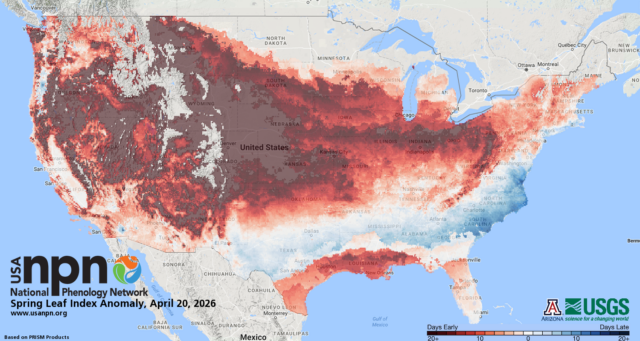
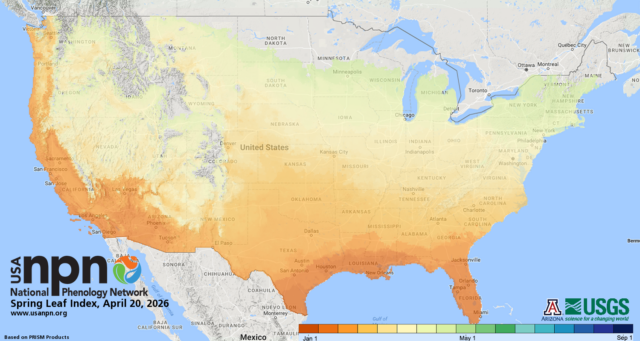
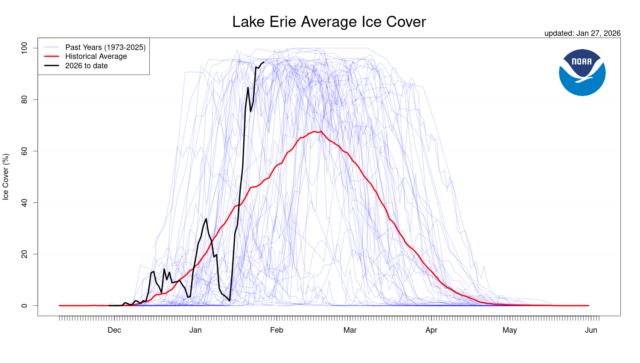
As I mentioned on HeartfeltRadio(.com) on Thursday morning, I heard my first Red-Winged Blackbird yesterday afternoon as the sun tried to peek through the clouds. Red-Winged Blackbirds are a truer harbinger of spring since these feathered friends DO migrate south for the winter and usually won’t appear in Ohio until the worst weather of winter is done. Break out the party favors!
Spotted on this morning’s visible satellite image:

Here’s what they may look line from your backyard if you lived in Virginia:

Gravity wave clouds are beautiful, rippling cloud formations, like waves on water, that form in stable air when wind flows over obstacles (mountains, fronts) or disturbances, forcing air up and down in oscillations; moisture condenses at wave crests (clouds) and evaporates in troughs (clear skies), creating distinct patterns visible from space and on radar, often indicating turbulence for aircraft.
How They Form
- Trigger: Stable air encounters a barrier (mountains, thunderstorms, cold fronts) or wind shear, forcing it upward.
- Oscillation: Gravity pulls the air back down, but it overshoots and starts bouncing up and down (oscillating) like a wave in water.
- Cloud Formation:
- Crests (Upturns): Air rises, cools, and moisture condenses, forming clouds.
- Troughs (Downturns): Air sinks, warms, and clouds evaporate, creating clear patches.
- Appearance: This creates long, parallel lines or ripple patterns of clouds and clear sky, spreading out from the disturbance.

